Most people asking this question are not trying to negotiate. They are trying to work out whether they can afford to protect themselves. It is a fair question, and it deserves a straight answer.
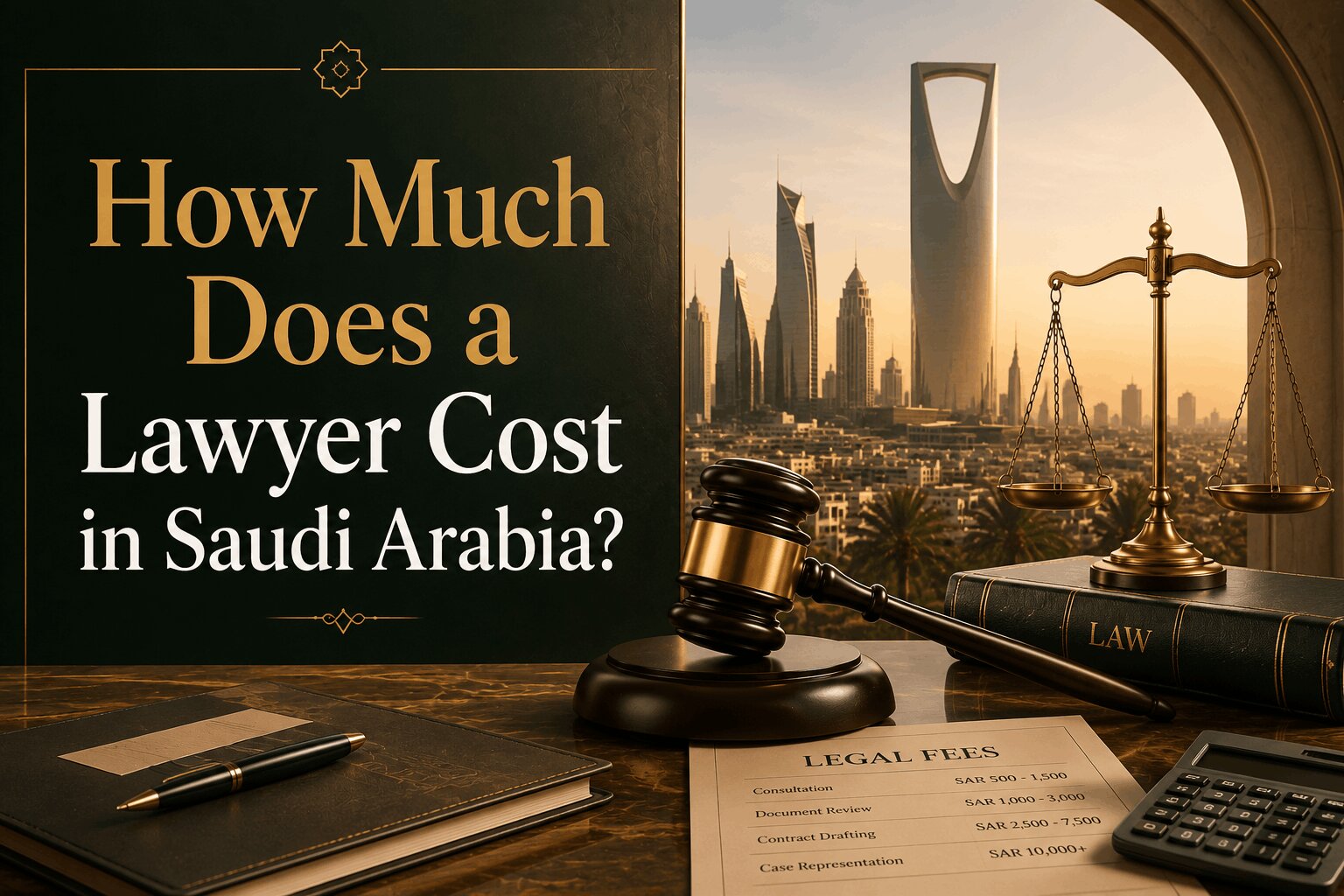
Here is the honest one: no lawyer in the Kingdom can quote you a single figure without knowing your matter. A one-hour consultation, a contract review, and a three-year commercial dispute are not the same product. What we can do is explain exactly how fees are structured, what the law requires your lawyer to put in writing, what the courts themselves charge, and where the hidden costs usually appear.
Read this before you sign any engagement letter.
The Rule That Protects You: Fees Must Be in Writing
This is the single most important thing to know, and many clients never hear it.
Under the Rules of Professional Conduct for Lawyers, issued pursuant to the Code of Law Practice (Royal Decree M/38), a lawyer must execute a written contract with the client. That contract must set out the details of the parties, the subject matter, the scope of the work, the expected timeframe for completing it, and the fees or the method by which fees are calculated.
Read that again. Your lawyer is professionally required to tell you, in writing, before starting, how your bill will be calculated. Breaches of the Code carry penalties ranging from a warning to being struck off the register of lawyers.
So if a firm is vague about money, that is not merely poor service. It is a professional problem.
The Unified Contract for Lawyer Fees
The Kingdom has gone a step further. The Ministry of Justice launched a Unified Contract for Lawyer Fees, a standardised, legally binding agreement created through the Najiz platform.
Two features make it genuinely useful:
- It documents everything — representation, consultations, document preparation, notifications, fee payments, and communications between the parties.
- It is enforceable electronically through the enforcement courts, without needing to file a separate lawsuit.
That protection cuts both ways. The lawyer can enforce unpaid fees, and the client has a clear, documented record of what was promised. If you are engaging a firm in 2026, ask whether the engagement will be recorded on Najiz.
The Four Ways Lawyers Charge in Saudi Arabia
1. Fixed fee. One agreed price for a defined task — a contract review, a power of attorney, a company incorporation. Best when the scope is clear. Ask precisely what falls outside the fixed price.
2. Hourly rate with a retainer. The lawyer records time spent and multiplies it by an agreed rate. A retainer is paid upfront as a deposit against that time, and you receive periodic statements showing hours worked and the balance owed. Common in complex disputes where nobody can predict the length.
3. Contingency fee. The lawyer takes a percentage of what is recovered. Attractive in recovery matters because your risk is lower, but be careful here — see the warning below.
4. Annual retainer. A monthly or yearly agreement covering ongoing advice. Businesses that sign contracts regularly usually find this the cheapest route, because it replaces expensive emergency work with cheap preventive work.
An Important Warning About Contingency Fees
Clients often assume a percentage agreed with their lawyer will automatically be recovered from the losing party. That is not how it works.
Saudi commercial courts may use a percentage of the claim or the awarded amount as a practical benchmark when awarding compensation for attorney fees. But the court is not bound by the percentage you agreed with your lawyer. It awards what it considers fair, taking into account the effort involved and prevailing market practice. In one Riyadh Commercial Court precedent, upheld on appeal, the court fixed the recoverable portion at 10% of the amount awarded in the original judgment — not at the figure in the client’s fee agreement.
The practical lesson: your fee agreement governs what you owe your lawyer. It does not govern what the other side will be ordered to pay you.
A related tip for businesses. You can improve your position in advance by including a clause in your commercial contracts allocating litigation costs and providing that the breaching party bears part of the attorney fees. That is one of several points covered in our guide to contract clauses every Saudi business should add before signing.
Court Costs Are Separate From Lawyer Fees
This surprises people. Your lawyer’s fee is not the only cost of litigation.
Under the Judicial Costs Law (Royal Decree M/16, in force since March 2022), filing a case in the Kingdom now carries a court fee. Before this law, filing a civil case was free.
The key figures:
- Judicial fees must not exceed 5% of the claim value, capped at a maximum of SAR 1,000,000.
- For an application to nullify an arbitral award, fees must not exceed 1% of the amount awarded.
The law is designed to discourage weak or fictitious claims and to push parties towards amicable settlement.
Importantly, several categories are exempt from judicial costs, including:
- Petitions for the enforcement of judgments and orders
- Labour claims arising from employment contracts
- Family disputes before the personal status courts
- Cases before the Board of Grievances filed against government bodies
- Bankruptcy matters
- Cases settled amicably before hearings begin
And if a judgment goes in favour of an exempt party, the losing party pays the fee.
Don’t Forget VAT
Legal services in the Kingdom are subject to Value Added Tax at 15%, administered by the Zakat, Tax and Customs Authority. When you compare quotes, confirm whether the figure you were given includes VAT or not. A 15% difference is not a rounding error.
What Actually Drives Your Bill
Two clients with the same type of case can pay very different amounts. The variables are:
- Complexity. A single unpaid invoice against a local company is not a multi-party cross-border dispute.
- Contested or not. A defendant who fights every step multiplies the hours.
- Volume of documents. Translation and authentication of foreign documents adds real cost.
- Court stages. First instance, appeal, and then enforcement are three separate efforts.
- Urgency. Emergency filings cost more than planned work.
- Your own preparation. Clients who arrive with organised records genuinely pay less.
How to Keep Legal Costs Down
Get advice before the problem, not after. A one-hour contract review is a fraction of the cost of the litigation it prevents.
Ask for a written scope, not a number. “What is included, what is excluded, and what triggers additional fees?” is a better question than “how much?”
Ask about the exit. Note that under the Code of Law Practice, if fees remain unpaid, the lawyer may retain your original documents until the fees and copying costs are settled. Understand this before a dispute over billing arises.
Consider amicable resolution first. Cases settled before hearings begin are exempt from judicial costs, and settlement is almost always cheaper than judgment. This is exactly why our debt collection services begin with structured recovery before litigation.
Bundle ongoing work. If your business needs a lawyer more than a few times a year, an annual retainer usually costs less than a series of one-off engagements.
How We Handle Fees
We discuss cost openly at the first consultation. Before any work begins we set out the scope, the expected timeframe, and how the fee is calculated, in writing, as the Code requires. We tell clients when a case is weak, because taking a fee to pursue a claim that will fail serves nobody.
Whether you need a single contract reviewed or long-term support, you can see the full range of legal services in Saudi Arabia that we provide. If you are still comparing firms, our guide to the top 10 law firms in Saudi Arabia may help you decide.

Frequently Asked Questions
1. How Much Does A Lawyer Cost In Saudi Arabia?
There is no single rate. Fees depend on the type of matter, its complexity, and the time involved, and lawyers charge by fixed fee, hourly rate with a retainer, contingency percentage, or annual retainer. Whatever the model, the Rules of Professional Conduct require the fee or the method of calculating it to be set out in a written contract before work begins.
2. Do Saudi Lawyers Have To Give Me A Written Fee Agreement?
Yes. Under the Rules of Professional Conduct issued pursuant to the Code of Law Practice, a lawyer must execute a written contract stating the parties, the subject matter, the scope of work, the expected timeframe, and the fees or the method of calculating them. A firm that avoids putting this in writing is not following the Code.
3. What Is The Unified Contract For Lawyer Fees?
It is a standardised, legally binding agreement launched by the Ministry of Justice to regulate the lawyer–client relationship. It is created through the Najiz platform and can be processed electronically by the enforcement courts, meaning it is enforceable without filing a separate lawsuit. It documents the services, fees, and communications between both parties.
4. Can I Recover My Lawyer’s Fees From The Losing Party?
Sometimes, in part. Saudi commercial courts may use a percentage of the claim or awarded amount as a benchmark when compensating attorney fees, but the court is not bound by the percentage you agreed with your lawyer and will award what it considers fair. In one Riyadh Commercial Court precedent, the recoverable portion was set at 10% of the amount awarded.
5. How Much Are Court Fees In Saudi Arabia?
Under the Judicial Costs Law, in force since March 2022, judicial fees must not exceed 5% of the claim value, subject to a ceiling of SAR 1,000,000. For applications to nullify an arbitral award, the fee must not exceed 1% of the amount awarded.
6. Are Any Cases Exempt From Court Fees?
Yes. Exemptions include petitions to enforce judgments and orders, labour claims arising from employment contracts, family disputes before the personal status courts, claims against government bodies before the Board of Grievances, bankruptcy matters, and cases settled amicably before hearings begin.
7. Is VAT Charged On Legal Services In Saudi Arabia?
Yes. Legal services are subject to VAT at 15%, administered by the Zakat, Tax and Customs Authority. When comparing quotes, always confirm whether the figure includes VAT.
8. What Happens To My Documents If I Do Not Pay My Lawyer?
Under the Code of Law Practice, when a power of attorney expires the lawyer returns the deed and original documents on demand. However, if fees remain unpaid, the lawyer may retain the original papers until the fees due and the cost of copying them have been paid.